"God is our refuge and strength, a very present help in times of trouble." Psalm 46:1

Category: Uncategorized (Page 24 of 34)

Remembering Buddy…

I was supposed to give you the final  installment on 1 Corinthians 4:14-21 today, but I think I will  pick that up next week so that I can do something that is a bit different today.   I hope this is okay.
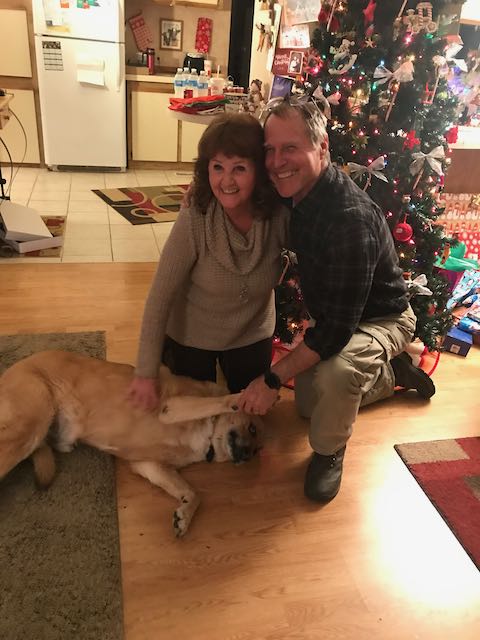
I am writing this at 4:00 in the morning (so pardon the mistakes) and I don’t think I will be going back to bed so I thought I could just get some feelings down on paper.  At about 2:30 this morning our beloved Buddy left us.  He was, of course, more than a dog.  He was family.   He was part of our kids and grandkids lives.   He was with us in good times and rough times and his love was always a comfort to us.   Buddy’s sweet nature was a constant in the swirling changes of our lives.  I can honestly say, Buddy never caused us any grief.  He was the kind of dog that everyone would want to have. 

We never had a fence, but he never left the yard unless he left with us.  He would sit on the deck or in the grass or by the garage and would stay there or somewhere close until  we called him.  He seldom barked at other dogs and was protective but polite to those who visited the house.   He gave a us a loving greeting every time we returned home.   Every one of the grandkids had accidental  falls, tugs, or rides on Buddy and he never gave it a thought.  He just got ready for the next time.

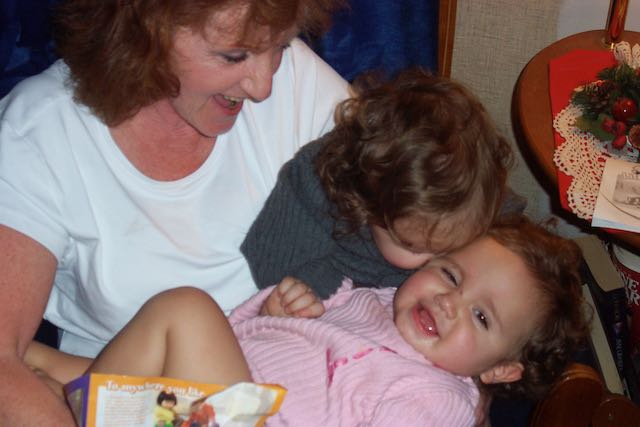
Before Buddy’s legs succumb to old age and cancer, he use to race back and forth with the neighbor dogs on the other side of the fence.  Long after Buddy wasn’t in racing form any more, if those dogs would bark, Elaine would say, “There’s your friends” and Buddy would always look longingly their way as if he was thinking of the wild runs of the past.  One of our granddaughters has a dog named Tucker who would visit once in awhile.  Even when Tucker wasn’t around Elaine would try to get Buddy to eat his food by saying,  “Better eat your food, Tucker will get it.”  It always worked, but I am pretty sure Buddy was actually training Elaine to say that!  (Buddy and Tucker)


We got Buddy when I was teaching in North Bend and Elaine split some of her time between  there and Winston.   Elaine did not want another dog after our shepherd-mutt Barkley passed away finally losing a battle with cancer.  But a little over a year later I went to Saving Grace (a dog rescue mission) on Christmas Eve to look for another companion protector for us- instead  I found a family member.  I walked into Saving Grace and all the dogs were loudly pleading their case but one.   Buster (that was his name then) just quietly sat there and drew me over to him with his polite manner, perked up ears, and  proud stance.

I knew this was the guy for us.   I told the girl who was in charge that I would like to take “Buster” home with me, but she informed me that he had not had his shots yet and I would have to wait until after Christmas.  That was so disappointing because I really wanted him to be a Christmas surprise for Elaine.  While I was standing there trying to figure out my next step, the back door swung open and in walked one of my previous students.   She said that when she was leaving work early to do some last minute shopping she passed me on the road and recognized my truck.  She then said that she was the one that gave the shots and she thought I might need her help if I picked out unvaccinated dog, so she turned around.  Her “hunch” was right.   At that time I did not understand how much God’s good providence would change our lives.
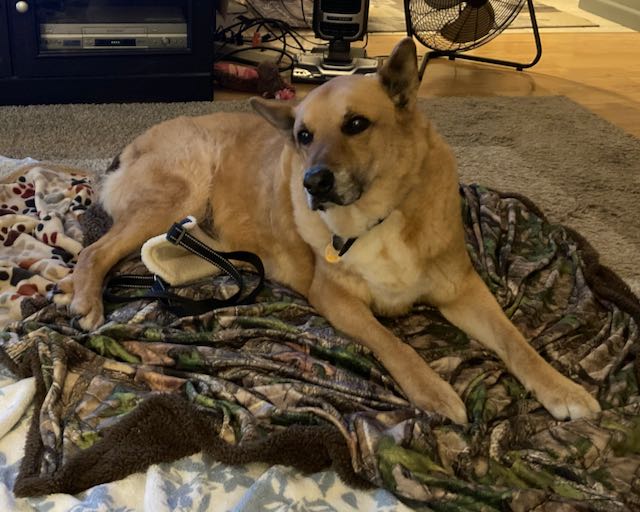
I loaded Buddy in the front seat and he sat there as though he had ridden there a hundred times. When I drove up to the house there was an instant that I saw in Elaine’s face the “I told you I did not want another dog”  expression, but her face quickly changed to, “this is a perfect dog for us.”  And he was.  He checked all the boxes.  Loving, obedient, good with  kids, protective but not scary, energetic but not out of control.  He was perfect.  Elaine forgave me faster than she ever had for one of my wrongdoings. 
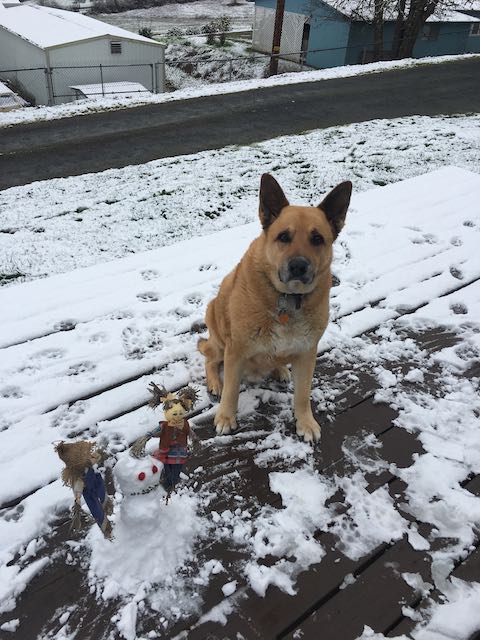
Over the years Buddy (we changed his name on his arrival to the family) shared in every part of our lives.  He would go camping with us, he would travel to see the grandkids, he stayed in motels with us, he would go to my school on work days, he would travel with Elaine, he would take me on walks, and he would keep Elaine company when I was in North Bend and she was here.  He loved to ride in the back of the truck and would go with me to the dump, to Lowe’s, to Home Depot, and any other place he could coax me into.   He loved to have the wind blow in his face and when we got to our destination he would get so excited he would strain his chain to the breaking point! If I just touched the leash in the house he would jump up and down like a young pup.  He loved going places.

Buddy loved his treats and being called Bud-Dog and Bud-boy and Dork-dog by Elaine who had a special bond with him.  She would brush him time and time again and must have taken off hundreds of bags of fur through the years.   She would rub his ears and cool him down with wet towels if he got too hot.  The mission told us that Buddy had separation anxiety and from the day we got him he liked to keep one of the two of us in sight.  If Elaine was watering flowers Buddy would  move to stay close to her.  If I left the garage to cut wood, Buddy would be right behind me.  Even  when Buddy was on his death bed, he would turn his head to make sure he could see at least one of us. His love for us was as real as ours was for him.    

I could write a book on Buddy and maybe someday I will.   Buddy was a special dog not just for us, but for anyone who met him.  He loved everyone and everyone loved him.  When I took him to town he was a celebrity and had as many fans as a new-born baby.    There was not a time when I took him somewhere that someone didn’t remark  on his good looks and manners. 
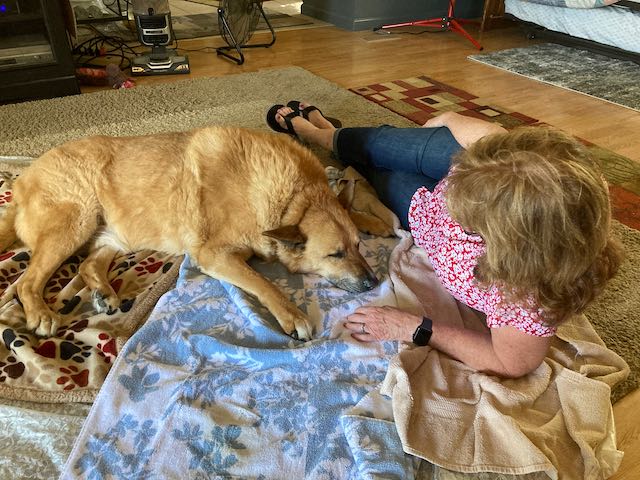
Buddy was also a battler.  A little over a year ago he had cancer surgery and fought back from that.  It slowed him down, but he kept his Buddiness and was still the same dog we had known and loved for over twelve years.  A couple of months ago he had a stroke and was amazingly recovering from that.  He walked like he was on the deck of ship in high winds, but he got to where he needed to go. Occasionally, he would “fall” (more a slow sit down) but could usually get back up on his own with just a little bit of coaxing or the promise of a treat .  Unfortunately his health took a sudden downturn over the past four days and he became very weak.

Last night I was sleeping on a little bed next to Buddy and I suddenly woke up.  I sensed there was something  different .  I reached over and started to pet Buddy and he turned to look at me.  His eyes had a different look.   I stroked him a few times, told him I loved him, and he went to sleep for the final time.  I think he waited for me to wake up, so he would not be going alone.   I got Elaine and we spent time crying over a loss that will take a long time to get over.    Buddy taught Elaine and me a lot, but maybe most importantly was how to love unconditionally.  From that Christmas Eve night to his last night with us he was the same lovable, loyal, and loving dog.   If people could overlook mistakes by others the way Buddy overlooked our mistakes, this world would be a much better place.  
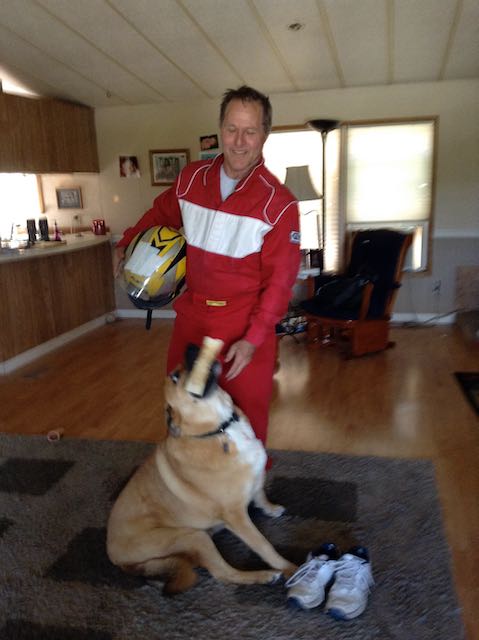
We buried him this morning at the end of the fence where he used to chase “his friends.”    He spent his life giving us joy.   Now it’s time for him to rest.
Will the Real You Stand Up…

“I urge you, then, be imitators of me. That is why I sent you Timothy, my beloved and faithful child in the Lord, to remind you of my ways in Christ, as I teach them everywhere in every church.”   1 Corinthians 4:16-17

Today I am continuing to use my Father’s Day sermon from two weeks ago as a framework for this week’s devotion. Our text is 1 Corinthians 4:14-21. Last week I spoke of the fatherly trait of compassion that all of us should illustrate to those under our care. This week we are not only reminded of a father’s compassion, but also a father’s authentic example – the testimony of Paul’s life was that he lived openly before them. He was what they saw.

Paul lived so transparently that he has the confidence to ask the Corinthians to use his life as a model for their own: “Therefore I urge you to imitate me….” Now, you may find those words to be pretty bold, even stunning. Imagine saying to somebody, “I want you to model your life on mine.” Could we say that to somebody? Would we? Why would Paul say something like this? Wouldn’t it be safer to say, “Imitate Christ”? Why does Paul take the risk? Why does he use himself as the primary example?

We need to remember that the epistle to the Corinthians was one of the earliest books written. People could not go to the local bookstore and read about Christ. The gospels were not even written yet. That is why the example of the apostles was so important at that time. God know that people need examples in their lives. That is why He sent Christ. That is why He sent Paul. That is why he sends us.
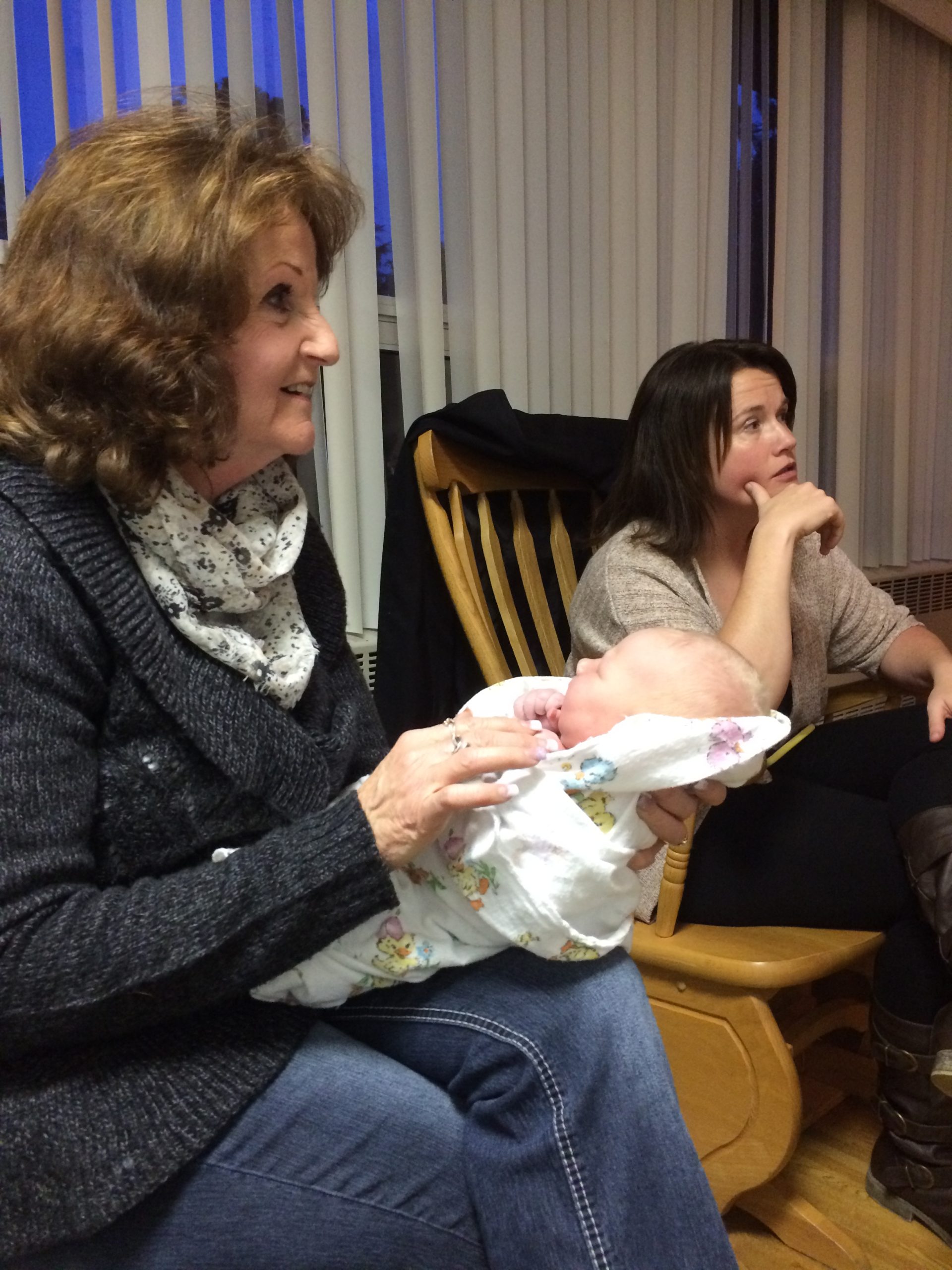
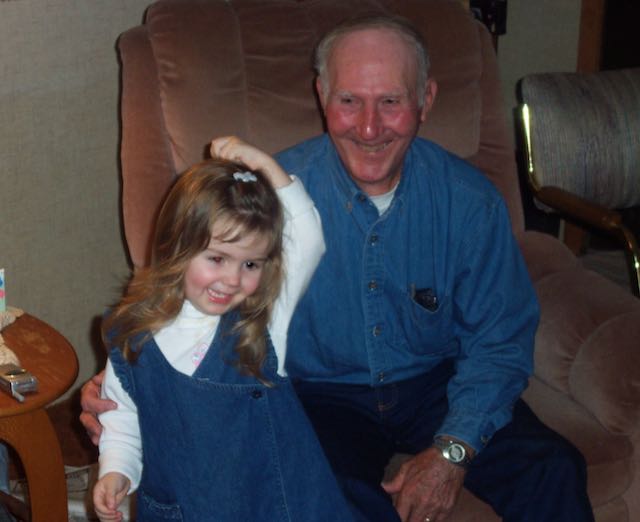
Every year I was coaching I gave my football or softball players a poem. I would read it to them and explain to them how impactful they were in the lives of they young kids who watched them. I would read it aloud mentioning some things along the way and I would change the boy to girl for my softball teams. Here is that poem:

There are little eyes upon you and they’re watching night and day.
There are little ears that quickly take in every word you say.
There are little hands all eager to do anything you do;
And a little boy who’s dreaming of the day he’ll be like you.

You’re the little fellow’s idol, you’re the wisest of the wise.
In his little mind about you no suspicions ever rise.
He believes in you devoutly, holds all you say and do;
He will say and do, in your way when he’s grown up just like you.

There’s a wide-eyed little fellow who believes you’re always right;
and his eyes are always opened, and he watches day and night.
You are setting an example every day in all you do;
For the little boy who’s waiting to grow up to be just like you.

Author Unknown

If was very important to me that the players understood their influence on youngsters and I even extended the poem beyond athletics. I would talk about parenting and mentoring and modeling in their future. I would reflect back when I would watch Grants Pass Cavemen athletes when I was young and tried to be like them. I would stand by the gate when the football players would go into the game, come out at halftime, and after the game with the hope that one of them would slap my hand. Many did.

We had an all-league quarterback that was pigeon-toed. I can’t tell you the number of kids I saw that actually tried walking that way thinking it would improve their play. I looked up to players when I was young and surprisingly as I got older some kids looked up to me. We don’t have to tell others to imitate us, if they look up to us, they just will.

One day a father looked out his window to see his son trying to build a small shed in the back yard. It suddenly collapsed and the boy let out with a string of cuss words. The father ran out into the back yard and started demanding who had taught him those words. The boy looked at his father and said, “I learned them from you.” The old saying, “Do as I say, not as I do” is a formula for failure. What we do will always have more influence than what we say.

Do we have the confidence to ask others to imitate us. In fact, let each of us ask this question of ourselves. If everyone around us imitated us would your church be a better place. If they imitated our Bible reading, our prayer life, our service to others, our speech, our use of time, our dedication, our thought life… would your church a better place. It is something for all of us to think about.

Paul and the Apostles were the first copy of the New Testament that others had the chance to read, If our lives were the first glimpse of the Bible people around guys would they want to read further or say, “That book doesn’t interest me.”

The reason Jesus was the most influential man to walk the earth was because He was totally and completely authentic. He was everything that He said He was and He illustrated that in His every action. That is why He could say that anyone who believes He was who He said He was would have everlasting life. When we believe in Christ we believe He was the Messiah, God in the flesh, our Savior, our Redeemer and the only one Who can bring everlasting life. His realness gives us hope.

That is why it is important that we are genuine, authentic, and real. If we are fathers, mothers, grandfathers, grandmothers, uncles, aunts, coaches, teachers, neighbors, or friends someone is looking up to us. We are all role models to someone. We should take that role seriously.

Father’s, have a passion for compassion…

“I am not writing these things to shame you, but to warn you as my beloved children. For even if you had ten thousand others to teach you about Christ, you have only one spiritual father. For I became your father in Christ Jesus when I preached the Good News to you. “  1 Corinthians 4:14-15

This past Sunday I gave a Father’s Day message at our church.   For those of you who were there, some of this material will sound familiar, so I apologize.  However,  If you could not hear or fell asleep, some of this might be a welcome rerun.   It is funny that I have been asked to do the Father’s sermon five times in recent years, especially since even my kids don’t give me a #1 Dad coffee mug.  They give me one with my actual ranking on it!  I don’t mind, though, because it is a really, really large mug to get that number on it!

Our text is 1 Corinthians 4:14-21 and in those verses Paul outlines a recipe for successful fathering, even though the context was not about that.  Paul was actually confronting the  leaders in Corinth about the problems they were having in the church.   Apparently there were problems with squabbling , poor leadership, misguided direction, sin, bad theology and misunderstandings in the fledgling church.  In this letter Paul admonished, warned, and challenged the people but also showed compassion, concern,  and care in his correction.

In light of Paul’s statement that, “I became your father in Christ Jesus through the gospel” we can also view this passage as a biblical model for fatherly behavior.  I believe these verses outline what  fatherly compassion, fatherly authenticity and fatherly discipline should look like.  The same kinds of problems seen in the Corinthian church can plague families if parents, especially fathers, do not take their role seriously.  

Since Sunday was Father’s Day and since Paul was speaking as a father, I was specifically speaking to fathers, but the principles outlined in these verses apply to anyone who is in a leadership, discipling, or mentoring position in someone else’s life.  So mothers, grandmothers, grandfathers, uncles, aunts, scout leaders, teachers, etc.etc. can take note of Paul’s words.

In the first three chapters in the letter and the first half of chapter four, Paul was pretty harsh in his words to the Corinthians.   But at verse 14 he changes tone and becomes more “fatherly” in his approach.  Paul is counting on the special relationship as their spiritual “father” in the faith  to be able to speak truth into their lives.  

Verse 14 reads “I do not write these things to make you ashamed, but to admonish you as my beloved children…”

Paul does not want to shame the people  back to him but he wants them to come to their senses and return willingly and gladly  as wayward children returning to a forgiving Father.  Shame might be a tool to be used at times (infrequently), but it is not a weapon to wielded.

I never remember my father using shame as a way to change my behavior when I was growing up.  I am sure it happened, but it must have been seldom and followed by some kind of love, because I cannot remember any specific situations.   My dad was able  to speak into my life and my brother and sister’s lives because he purchased that right through the love he showed us.  My father didn’t tell me how to live rightly; he lived rightly, and let me watch.

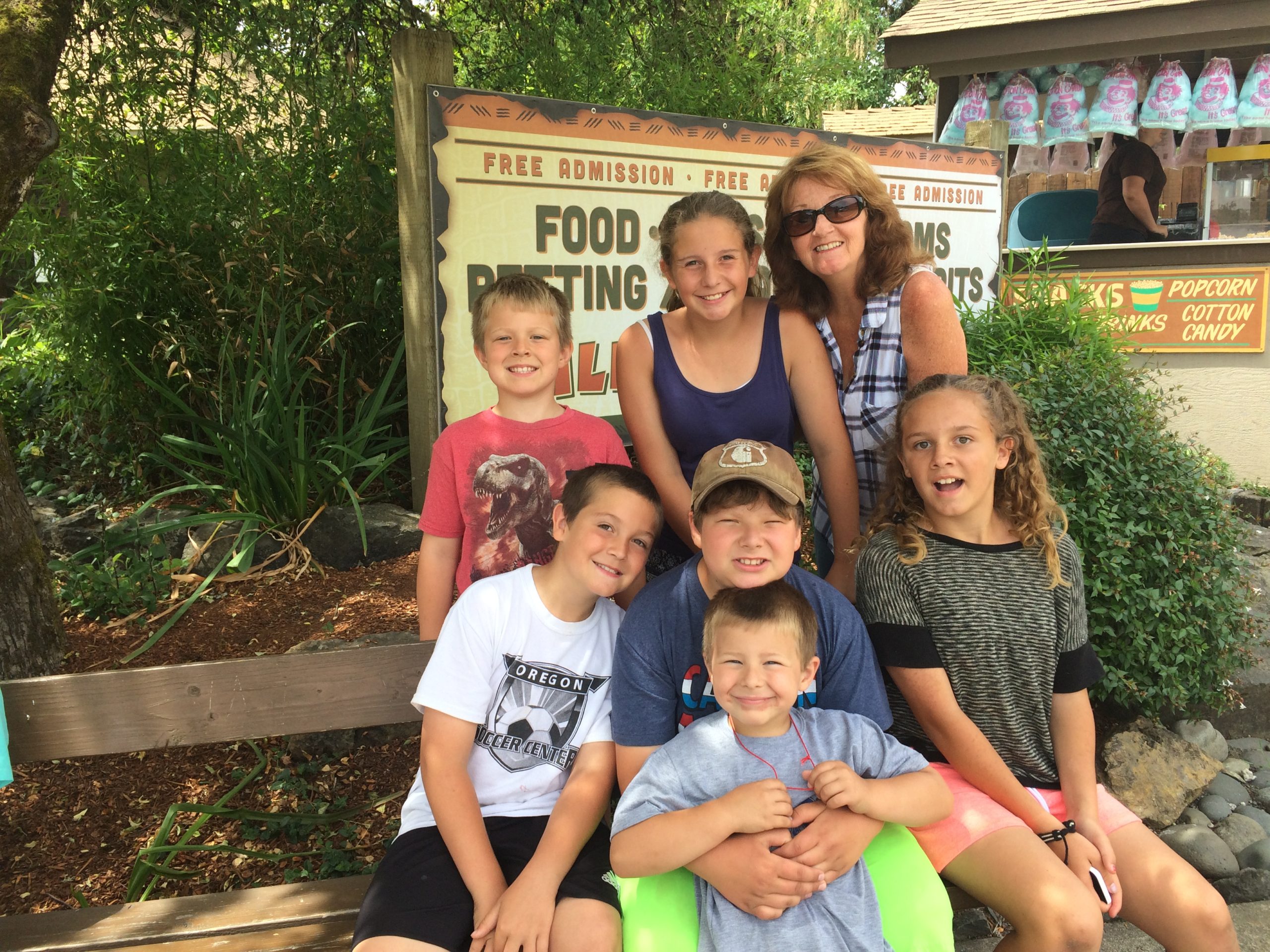
Because of my father compassion,  I have tried to do the same not only with my four children and eleven grandchildren, but the athletes I have coached, the students I have taught, and the children I have known and any others I may have had an influence over.  I have often missed the mark, but it is still the desire of my heart.

The text goes on the say that the Corinthians will have many other teachers, “guides” or “guardians,” but he wanted the leaders in Corinth to regard him as their “spiritual Father”.

15 For though you might have ten thousand instructors in Christ, yet you do not have many fathers; for in Christ Jesus I have begotten you through the gospel.

All of us were begotten physically by a father, but here Paul is talking about spiritual birth.  He understood that all will be born once, but only those who are born twice can live lives of true peace.   Paul has a special place in their lives because he had brought the life-changing gospel message into their lives.   He’s not being territorial, but he was the first spiritual “Daddy” in their lives and that gave him the responsibility and right to lead them. 

As Daddy’s (and I am still talking to everyone who have influence on younger ones) we need to understand that we should not just exert our rights as parents but compassionately disciple our children.  

Many think that disciplining is discipling, but they are not the same thing and Paul understands that.  Disciplining is a part of discipling, but it is not the biggest part.  Compassion is the most important part of the parent/child relationship.

Of course  the most compassionate thing we can do beyond everything else, is to share and show the Christ-centered gospel to those in our care.  Nothing was more important to the Apostle Paul.  Nothing should be more important to us.

Here is the sad confession of one father.   “I took my children to school but not to church. 

I taught them to drink but not of the living water.   I enrolled them in Little League but not Sunday School. 

I showed them how to fish but not to be fishers of men.    I made the Lord’s Day a holiday, rather than a holy day.”  

“I taught them the church was full of hypocrites and made greater hypocrites of them and me. 

“I gave them a color TV but provided no Bible.   I handed them the keys to the car but did not give to them the keys of the kingdom of God. 

I taught them how to make a living but failed to bring them to Christ who alone can make a life.”

In contrast to this father, I read the story of a farmer who had toiled over a bumper crop of grain – a badly needed crop that was going to pay off many creditors and secure the family for another year.  But just a few days before it was due to be harvested a freak wind and hail storm ravaged the property, and the harvest was lost. 

The man stood with his little boy looking over the fields of destroyed grain. The boy expected to hear his father crying out in despair., but instead his Dad began to softly sing: “Rock of Ages cleft for me, let me hide myself in Thee.” 

Years later that boy, grown into manhood, said: “That was the greatest sermon I ever heard!  It totally changed my life.”  They say that a picture is worth a thousand words.  This father proved that an example is worth a thousand pictures.  It is easy to show faith with a bumper crop, but real faith is shown when the hail comes, and it is exhibitions of faith like this that changes lives.

So the first part of these verses talks about the need for fatherly compassion when raising those in our care.  Paul showed this compassion to the Corinthians.    Christ said that the greatest commandment is to love God and to love others.  This is illustrated in the cross.  The vertical beam that points toward God supports the horizontal beams that stands for our relationship with others.  Without a relationship with God we cannot love others in the way Christ intends.   We can love others in a human way, but not a spiritual one.

So our first step in fully loving our children is to love God.

Fatherly compassion must never be compromised when we have the care of others in our hands.   Over the next two weeks I will show how Paul also showed fatherly authenticity and fatherly discipline in his correction of the Corinthians.   We will also see how we can correct and connect with others in our own lives.  Stay tuned.

Creation…amazing!

“For what can be known about God is plain to them, because God has shown it to them. For his invisible attributes, namely, his eternal power and divine nature, have been clearly perceived, ever since the creation of the world, in the things that have been made. So they are without excuse. For although they knew God, they did not honor him as God or give thanks to him, but they became futile in their thinking, and their foolish hearts were darkened.” Romans 1:19-21

This is a wonderful time of year. The grass is green and the trees still have their blossoms. Every time I drive to or from Camas I am taken by the beauty of the fields, hills, and ravines. This morning as I was driving I was listening to two men having a debate. One was an atheist and the other was a Christian who believed in theistic evolution. It was a strange conversation to listen to because I didn’t agree with either man. While I was looking at the absolute beauty of life around me, I was listening to two men discussing how that beauty came about over millions and millions of years of defects and rejects, culminating in thousands of different kinds of plants and animals.  As I listened to what the men were saying while at the same time seeing what was around me, the words and the sights seemed in conflict to each other.

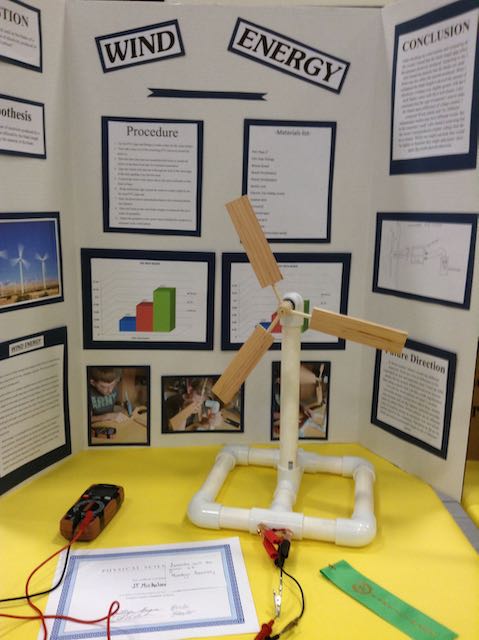
When I got to school I spent two hours judging projects at the Science Fair and got another huge dose of the wonders of the world. Exhibits on plants, animals, and the environment filled the gym. They outlined how detailed and functional and precise our world is. I thought back at the men’s arguments I had just heard and could just not accept the creation of the world through random acts of fineness. The complexity of the smallest organism all the way up to our largest animal begs for a designer. Our own bodies are testament to design. The function of the skeletal system, the muscular system, the cardiovascular system, the digestive system, the Endocrine system, the nervous system, the respiratory system, the lymphatic system, the urinary system, the reproductive system, and the integumentary system (which holds everything together) work together in perfect harmony for millions upon millions of people everyday. The miraculous existence of  living things is a testament to the incredible handiwork of God. Yet, many believe there is not enough evidence for God.

Some see the wonder of creation but neglect the idea of a creator. Paul wrote the above words to the Christians in Rome in an attempt to show how many had  replaced the creator with the creation as an object of worship. Those words are as relevant today as it was in Paul’s time. Actually, since the culture is degrading with time, it is probably even more relevant today than it was in those years following Christ’s death. Some people worship nature and some their own bodies, but worship of anything other than God is a misdirection of adoration.

When we look at the intricate details of the smallest things in nature up to the huge and complex design of the whole universe, our only conclusion is there must be a designer (if we are objective).  We who live here in Oregon can easily find ourselves in the  predicament of worshipping creation.  It is so wonderful here we can lose sight of Who has made things so wonderful here.  Even as I sit here typing it is wondrous how my eyes see the page, my mind creates a thought and my fingers (slowly) type some words. The function of the human brain cannot be matched by anything man can make. Amazingly, other animals, be they less sophisticated, have brains, too. Every time we begin an activity hundreds, upon hundreds of messages are shooting through our bodies to bring about a desired outcome. It is almost beyond belief and to believe that nothing plus time brought this all about. Life is incredible whether it is plant or animal.

I have often hear the phrase, “I am spiritual, but not religious. If I want to connect with God I go to the (insert favorite nature place here… river, mountain, camp, hike).” And who can blame us? There are so many places that are so serene and can give us such a variety of emotions- from peace to excitement. But what we can never forget is this- although these might be places for worship, they should not be places to be worshipped.

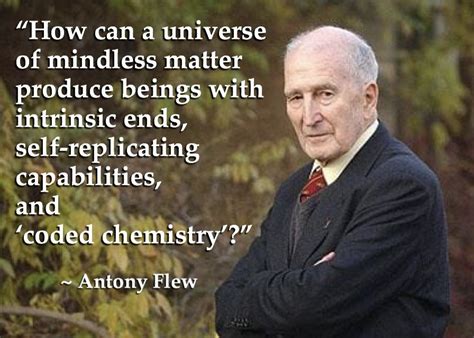
Every time we sit beneath a sky (like I did last night) it becomes a reminder, a lesson so to speak, about who God is. That reminder is what changed British Professor and Philosopher Anthony Flew in 2004. He was regarded by many as the world’s most acclaimed atheist and when he renounced his atheism in favor of theism, it rocked the world of science as much as the church would have been rocked if Billy Graham suddenly renounced his Christian faith. What was the basis of Flew’s conversion? The evidence around him. He became fatigued by having to ignore the undeniable design of what he saw in the creatures and nature around him, in favor of a fortunate stroke of good luck that brought this altogether so nicely. He finally relented to the undeniable fact that there must be a designer.

We should always be in awe of the world around us. We should never take its beautiful design for granted. But we must also remember why it is here – to point us toward God. Although nature points to Him, it should not be confused with Him. Paul says this when he writes, “Claiming to be wise, they became fools, and exchanged the glory of the immortal God for images resembling mortal man or birds or animals or reptiles (Rom 1:22-23).” Creation represents the greatness of God, and without Him it would not exist. Let’s never degrade God by putting His creation above Him.  Check out the sky tonight and the trees tomorrow and thank Him for the wonderful signposts He has made that emphatically, undeniably, and unquestionably point to Him.

“Delight in the Lord”

“Take delight in the Lord, and he will give you desires of your heart.” (Psalm 37:4)

Today’s verse is one of the most beautiful, most quoted, and misunderstood in the Old Testament. It has become the battle cry of the misguided but ever-growing prosperity movement and a go-to verse for those counseling someone who is going through tough times. But as is the case with many verses in the Bible, this verse needs to be examined textually and contextually if we are going to determine its real meaning. If we do not do that, we will find our faith in God sorely tested when we don’t get “everything we want.” After all, this verse seems to be pretty clear- God can and will give us the desires of our heart. The only criteria- take delight in Him. It all sounds pretty simple.

This Psalm is written by David when he is an old man. By this time, he has experienced wondrous events and heartbreaking events. He certainly was not the one to write that God gives a person everything he wants, every time he wants it. David’s family problems are well-documented. His sins and their consequences are used as examples of things to be avoided. His many children from many wives led soap opera lives resulting in rape, premature deaths, and murder. Eventually, all this family intrigue led to the unraveling of the kingdom of Israel that he had so delicately woven together. These certainly could not have been the desires of David’s heart.

There was a father and son swimming at a river when the young boy saw a blackberry patch on the other side. The boy begged his father to let him swim across to get some. The father hesitated because the boy was not a great swimmer, but it was a short distance. Finally, the father gave in and the boy got halfway across, tired, was pulled under and swept downstream. Later when the father was explaining it to the police, he said, “He just wanted to go over there so badly, I didn’t want to tell him no.” I think the boy wished his dad would have told him no. God knows when to tell us no or to let us go. We need to tune into that great knowledge.

It has often been said, “It is a great deal easier to do that which God gives

OLYMPUS DIGITAL CAMERA

us to do, no matter how hard it is, than to face the responsibilities of not doing it.” I think that is the case with the verses in Psalms 37:1-7. Here are the things we are told to do in these verses: fret not, trust in, delight in, commit to, and rest in. In doing these things, we will know God better, when we know God better, the desires of our hearts will mirror the desires of God’s heart. In obedience to Him we will not only see what our desires are, but what they should be. We will realize that every want is not a need and every desire does not reflect the heart of God.

When David wrote these verses, he certainly had not forgotten his desire for a woman on a neighboring rooftop which led to adultery, which led to pregnancy, which led to murder, which led to punishment. God allowed David to act on the desires of his heart, but those were contrary to the will of God.  If David would have turned to God, God would have turned David away from his sin.   Obviously, what the verse in Psalms is telling us is that if we delight ourselves in the Lord, our desires will be aligned with His. The desires of our flesh are evil. If God were to give us our fleeting desires for fame, riches, and power, He would be no more than a genie in a bottle granting wishes without regard to consequences. But God cares about us and in this verse He is saying that if we delight in Him he will protect us from our own desires and replace them with desires that match His will.

David tells us first of all to “Trust in the LORD, and do good.” (Psalm 37:2a). If we trust God, we will look to Him for direction. We will run the desires of our heart past God first to see if they conflict with His will. David did not do that. He knew that his escapade with Bathsheba was wrong, but he did not “trust in the Lord.” He felt that his own wants should be satisfied, even if they conflicted with the nature of God. He did not trust and he did not do good.

OLYMPUS DIGITAL CAMERA

How could a man “after God’s own heart” do such a thing? Because our hearts are “desperately wicked” and if we don’t run all desires through God first, we will choose to what is wrong.

“Delight thyself also in the LORD; and he shall give thee the desires of thine heart.” The word delight means to soften, to be pliable, to submit. This is the first step in understanding our desires. I might desire more money, which might lead me to make decisions that will hurt me and my family. Only God can see ahead at the consequences of my decisions, so I should submit to His authority through a careful study of His word. I should want to tap into His wisdom. My delight should be in the Lord and His wonderful omnipotence, not my own short term wants.

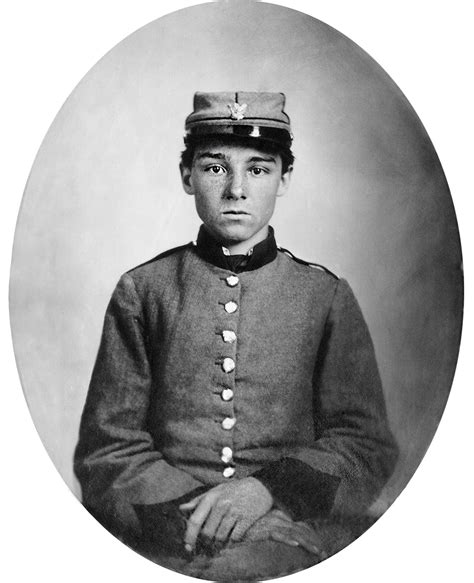
“Commit thy way unto the LORD;” (Psalm 37:5a) I should commit myself to follow God’s directives. He is a powerful and loving father and will know what is best for me better than I do. One of my favorite poems (I have quoted it before) is the prayer of the unknown confederate soldier. I think it illustrates so well that believe we know what we want, but only God knows what we need.

I asked God for strength, that I might achieve;

I was made weak, that I might learn humbly to obey.

I asked for health, that I might do greater things;

I was given infirmity, that I might do better things.

I asked for riches, that I might be happy;

I was given poverty, that I might be wise.

I asked for power, that I might have the praise of men;

I was given weakness, that I might feel the need of God.

I asked for all things, that I might enjoy life;

I was given life, that I might enjoy all things.

I got nothing that I asked for, but everything I hoped for.

Almost despite myself, my unspoken prayers were answered.

I am among all men most richly blessed.

David tells us in Psalm 37:7a to “Rest in the LORD, and wait patiently for him:” We often want what we want and we want it right now. There is a story about a man who asks the right fielder in a little league game the score. The boy says 18-0. The man said,”Wow, you must be discouraged,” and the boy answered, “Why should I be? We haven’t batted yet.” Now that is patience. Being patient in God is one way we can show our trust in HIm. There is rest in patience. We can rest in God by listening to God. There is no peace in doing “our own thing” outside the will of God. We must be patient because God not only knows what we need, but when we need it. Like the soldier in the poem above, if we involve God in our wants He will reveal our needs. Our desires should be trusting God, committing ourselves to Him, and resting in Him.  Only then will our true desires be met.

There are those who stand behind the pulpit and say that 37:4 means that if we desire something (like a new car) and we ask for it, we should receive it. But if our desire is outside the will of God, it will not turn out well. This is the bottom line. If we desire something outside of God’s will, we better hope He doesn’t give it to us. He is all-knowing, we are all-desiring. We need to pray that He will sometimes stand in the way of our prayers and not give us everything we want. I think in eternity if we get a chance to ask God why he didn’t give us something we wanted and He tells us why, we will say, “Thank you so much.” If we delight in God we will ask Him to give us what we should have, not what we would have. If He gives us what we would have instead of what we should have, we will later wish that He would have given us what He should have given us (you may have to read that a few times). If we ask God to give us what we should have, he will give that to us. That is the love of a Father.  He wants to give us good things, but without Him we just don’t always know what is good!

« Older posts Newer posts »

© 2026 HE HAS OUR BACKS

Theme by Anders NorenUp ↑